


“Gender Equality and Social Inclusion in Early Grades: Nepal’s Commitment and Paths Forward”
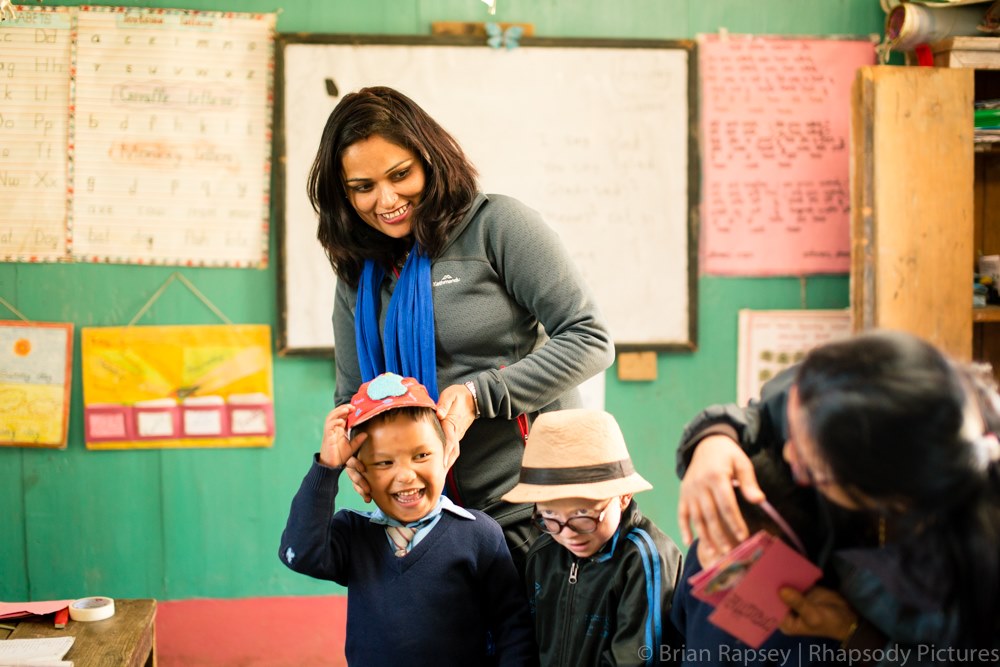
Gita Subedi [get2gita@hotmail.com]
Nepal’s dedication to gender equality and social inclusion (GESI) in education is evident through its participation in various international platforms, agreements, and commitments. These efforts reflect the nation’s resolve to ensure inclusive and equitable quality education for all children, regardless of gender, ethnicity, or socioeconomic background.
Nepal’s commitment to GESI in education aligns with global agendas such as ‘Sustainable Development Goals’ (SDGs). Under SDG 4, Nepal aims to achieve inclusive and equitable quality education, including access to early childhood development and pre-primary education for all children. SDG 5 further emphasizes promoting gender equality and empowering girls and vulnerable groups, ensuring equal access to education at all levels.
The nation’s dedication is also highlighted in its adherence to the ‘Convention on the Rights of the Child’ (CRC) and the ‘Convention on the Rights of Persons with Disabilities’ (CRPD). These conventions obligate Nepal to provide quality education for all children, including those with disabilities, marginalized and remote areas, ensuring inclusive early grade learning environments. Additionally, Nepal has been benefitted from support through the ‘Global Partnership for Education’ (GPE) and the ‘United Nations Girls’ Education Initiative’ (UNGEI). These are a few partnerships which focus on improving early grade learning outcomes as well, and promoting GESI by reaching marginalized and disadvantaged groups, including girls and vulnerable children from rural areas across Nepal.
.jpg)
Despite these commitments, challenges persist in implementing inclusive education effectively. Many community schools lack the necessary infrastructure to accommodate diverse needs of children, and adequate level of teacher training on inclusive pedagogies remains insufficient. Addressing these issues requires a multifaceted approach. For example, infrastructure development, investing in school infrastructure from GESI perspectives, particularly in remote areas, is crucial. This includes building accessible facilities with ramps, child friendly spaces to accommodate children with disabilities, girls’ friendly toilets, age-appropriate learning resources, etc. considering intersectionality. Likewise, teacher training and support for enhancing teachers’ planning, pedagogical, assessment skills along with other competencies prescribed in Teachers’ Competency Framework,2072 through regular training or other platforms are essential. The training or capacity building initiatives should focus on context specific inclusive teaching practices, contents, classroom management, ICT, communication, legal bases, child psychology, safety, and the use of culturally relevant approaches.
Parental and community involvement is another challenge which can be achieved by awareness campaigns and community orientation programs which will contribute in parental participation in early grade learning, particularly for girls and children from disadvantaged backgrounds. Similarly, utilization of ‘Information and Communication Technology (ICT)’ in classrooms will provide access to digital resources and educational apps, enhancing engagement and learning outcomes. If these technologies are GESI-responsive, these will promote inclusivity side by side. Date driven decision making will help to implement an ‘Integrated Education Management Information System’ (IEMIS) to collect and analyze data on enrollment, attendance, school completion, participation in ECAs, school governance, teacher’s ratio, composition of SMC/PTA and learning achievements from an intersectional perspective which will help to identify gaps and inform policy and program adjustments.

To put the things from another perspective, Nepal’s inclusive education model must focus on individualized support and differentiation. This involves using assessment tools to identify learning needs and implementing flexible grouping strategies. Schools should foster a positive culture that promotes acceptance of diversity, and addresses bullying, or discrimination including other versions of Sex and Gender Based Violences. Emphasis on mother tongue-based instruction in early grades is crucial for better comprehension and participation of marginalized children. This approach supports cognitive development and preserves linguistic diversity, ensuring children build strong foundational skills in a language they understand.
.jpg)
Additionally, Multi-Grade Multi-Level (MGML) and Teaching at the Right Level (TaRL) approaches will also be best suited to Nepal’s diverse geography and limited resources context in many community schools of Nepal. It allows for efficient use of human and physical resources by accommodating students of different ages and grades in one classroom. TaRL focuses on assessing and teaching students at their current competency level, ensuring targeted support and mastering foundational numeracy and literacy skills along with other soft skills as envisioned in integrated curriculum of Nepal. For enhancing ‘Learning Achievement’ of early grade learners, regular teacher training, mentorship, and use of formative assessments can be adopted by tailoring interventions as per the diverse context of Nepal. Integration of GESI indicators into monitoring and evaluation processes or framework will help tracking progress and ensure accountability.
In a nutshell, Nepal’s commitment to gender equality and social inclusion in early grade learning is evident through its international engagements and national policies. However, addressing the existing challenges requires a concerted effort from all stakeholders, including the government, teachers, parents, development partners and communities. By adopting comprehensive strategies and leveraging available resources, Nepal can create an inclusive and equitable education system that empowers all children to thrive.


2024-06-29-08-42-35.jpeg)
ताजा खबर
सबै- कांग्रेस सोलुखुम्बुको पालिका अधिवेशन २ पालिकामा सम्पन्न
- सोलुखुम्बुमा मतदाता नामावली अद्यावधिक प्रक्रिया सुरु
- सोलुखुम्बुमा ७० वटा ट्राफिक सचेतना कार्यक्रम, एक हजारभन्दा बढी लाभान्वित
- नेपाली कांग्रेसको १५औं महाधिवेशनः सोलुखुम्बुका ५२ वटै वडामा निर्वाचित सभापतिहरूको नामावली
- टाप्टिङमा जंगली भालुको आक्रमणबाट ५१ वर्षीय शेर्पा घाइते
2026-09-20-07-38-31.jpeg)
2026-09-19-06-40-41.jpeg)